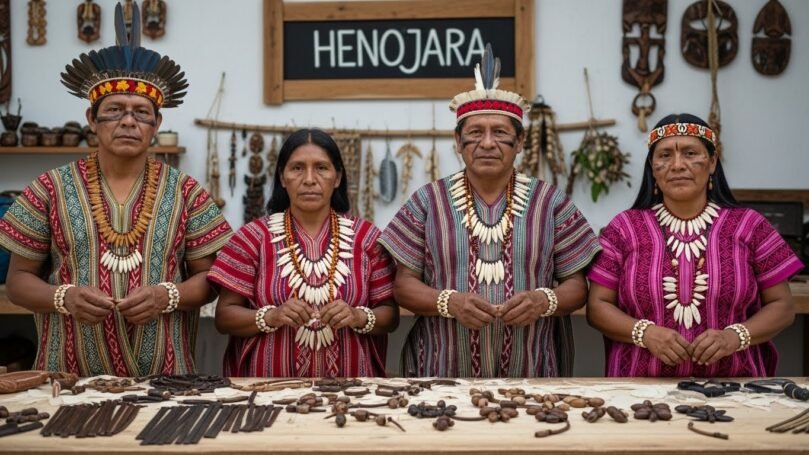
Henojara is more than just a craft; it’s a vibrant tapestry woven from history, culture, and artistry. Nestled in the heart of traditional craftsmanship, Henojara represents an age-old technique that showcases the creativity and skill of its artisans. As you delve into this world of intricate designs and rich heritage, you’ll discover not only stunning pieces but also the stories behind them stories of dedication, passion, and resilience. This blog post will take you on an inspiring journey through Henojara’s significance, exploring how these talented artists are keeping tradition alive amidst modern challenges. Get ready to be captivated by their art as we shine a spotlight on this remarkable craft!
What is Henojara?
Henojara is a traditional craft that embodies the rich cultural heritage of its region. It is characterized by intricate designs, often inspired by nature and local folklore. Each piece tells a story, representing not just artistry but also history.
The term “henojara” itself refers to both the process and the final product handcrafted items that reflect dedication and skill. These creations range from textiles to pottery, showcasing diverse techniques passed down through generations.
Artisans pour their heart into every detail, ensuring each item retains its unique charm. This craftsmanship goes beyond mere aesthetics; it serves as a connection to identity and community values. In an age of mass production, henojara stands out as a testament to individuality and tradition in art forms.
History of Henojara and its Evolution
Henojara has a rich history that dates back centuries. Originating from specific regions, it was initially crafted for functional purposes. Over time, the artistry began to flourish, transforming simple items into intricate works of art.
As trade routes expanded, henojara pieces became sought after across different cultures. This exposure led to the incorporation of diverse influences, enriching its design and technique.
The evolution continued as artisans embraced modern methods while still honoring traditional practices. Today’s henojara reflects a blend of age-old craftsmanship and contemporary aesthetics.
Despite challenges in maintaining authenticity amid commercialization, many artisans strive to keep these traditions alive. Their commitment ensures that each piece tells a story rooted in heritage and innovation.
The Artisans Behind the Craft: Their Stories and Background
The artisans behind henojara are the heartbeat of this vibrant craft. Each one carries a story woven through generations. Many learned their skills from family members, passing down secrets that have been cherished for years.
Take Maya, for instance. She began her journey as a child in her grandmother’s workshop. The scent of clay and the sound of tools inspired her creativity daily. Today, she infuses modern designs while honoring traditional techniques.
Then there’s Amir, who found solace in henojara after leaving his corporate job. He embraced this art form not just as a career but as a way to reconnect with his roots. His passion shines through every piece he creates.
These artisans embody resilience and dedication. They don’t just create; they preserve stories written on clay and painted in colors that reflect their culture’s rich heritage. Their commitment ensures that henojara remains alive and thriving amidst change.
Techniques and Materials Used in Creating Henojara Pieces
Crafting henojara pieces involves a delicate blend of traditional techniques and natural materials. Artisans meticulously handcraft each item, ensuring that every piece is unique.
Clay serves as the primary medium. This earthen material is often sourced locally, providing an authentic connection to the region. The artisans shape it with their hands, using simple tools to achieve intricate designs.
Color plays a crucial role in henojara art. Natural pigments derived from plants and minerals create vibrant hues, adding depth to each creation. These colors are thoughtfully applied, enhancing the beauty of each piece without overwhelming its essence.
Firing in traditional kilns solidifies the work. This process not only strengthens the clay but also brings out rich textures and patterns.
The commitment to preserving these age-old methods ensures that henojara remains a living art form, echoing the voices of generations past through every crafted item.
Impact on the Local Community and Economy
The impact of henojara on the local community is profound. Artisans who create these exquisite pieces often come from generations of craftspersons, strengthening familial bonds and cultural identity.
Each piece sold supports not just the artisan, but their family as well. This creates a ripple effect through the community. Local markets thrive as consumers seek authentic henojara items, which in turn boosts small businesses.
Economic stability flourishes when traditional crafts are prioritized. Workshops and training programs emerge, teaching younger generations valuable skills while preserving this art form for future years.
Moreover, tourism sees a boost as enthusiasts flock to areas known for henojara craftsmanship. Visitors eager to learn about its history contribute further to the economy by engaging with local artisans directly.
This interconnectedness highlights how preserving such traditions can rejuvenate entire communities while fostering artistic expression and economic growth side by side.
Challenges Faced by Artisans in Keeping the Tradition Alive
Artisans dedicated to henojara face numerous challenges today. The rapid pace of modernization threatens traditional methods that have been passed down through generations.
Many younger individuals are drawn towards more lucrative jobs, leaving behind the intricate craftwork of their forebears. This shift creates a dwindling pool of skilled artisans able to produce authentic henojara pieces.
Financial hurdles also loom large. The costs associated with acquiring quality materials can be prohibitive, making it difficult for artisans to sustain their craft while ensuring fair compensation for their labor.
Additionally, global competition from mass-produced items undermines the value of handcrafted goods. Consumers often opt for cheaper alternatives without realizing the unique beauty and cultural significance embedded in each henojara piece.
Without support and recognition, these custodians of tradition struggle to maintain not just a livelihood but an entire way of life rooted in heritage and artistry.
How to Support and Preserve Henojara
Supporting and preserving henojara requires a multifaceted approach. Start by purchasing handcrafted pieces directly from artisans. This not only ensures fair compensation but also strengthens the community.
Engage with local workshops or events showcasing henojara. Participating in these gatherings fosters appreciation for the craft while connecting you with passionate artisans.
Consider spreading awareness through social media platforms. Share stories about henojara, its history, and the people behind it to attract more interest in this unique art form.
Another way to help is through donations or sponsorships for training programs aimed at young artisans. Investing in their education helps ensure that traditional techniques are passed down through generations.
Explore collaborations between designers and henojara artists. These partnerships can lead to innovative creations that keep the tradition alive while appealing to modern audiences.
The Importance of Preserving Traditional Crafts for Future
Preserving traditional crafts like henojara is vital for cultural identity. These art forms tell stories of heritage and community, connecting us to our roots. Each piece reflects the skills passed down through generations.
Moreover, traditional crafts foster creativity and innovation. They inspire new interpretations while honoring timeless techniques. This blend keeps culture alive in a modern context.
Supporting these artisans also strengthens local economies. When communities rally around their craftsmen, they create sustainable livelihoods that benefit everyone involved.
Furthermore, preserving these traditions enriches global culture. As we embrace diversity in art forms, we celebrate what makes each community unique.
Investing in traditional crafts ensures future generations can enjoy and learn from them too. It’s about creating a legacy one that celebrates both history and progress without compromising either side.
Conclusion
The world of henojara is vibrant and rich, filled with stories that echo through generations. These artisans are not just creators; they are cultural custodians, preserving a piece of history with every stroke and carve. Their dedication to the craft transcends mere artistry; it reflects a deep connection to their heritage and community.
As we step into a future increasingly dominated by mass production, the importance of traditional crafts like henojara cannot be overstated. Supporting these artisans does more than preserve an art form; it strengthens local economies and fosters cultural identity. Every purchase made contributes to sustaining livelihoods, allowing these skilled craftsmen to continue sharing their passion with the world.
Embracing henojara means embracing diversity in creativity and honoring traditions that enrich our global tapestry. By recognizing its significance today, we pave the way for future generations to appreciate this exquisite craftsmanship a legacy worth cherishing forever.