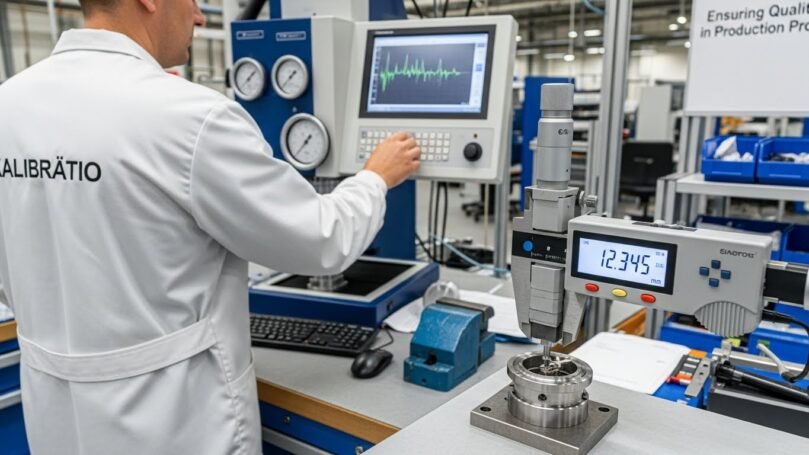
In today’s competitive manufacturing landscape, the pursuit of quality is more critical than ever. Companies are constantly seeking ways to improve their production processes, ensuring that every product meets high standards of excellence. Enter kalibraatio a crucial element in the world of quality control. This Finnish term may sound unfamiliar to some, but its significance transcends borders and industries.
Kalibraatio revolves around measuring and adjusting instruments to maintain accuracy and precision. By integrating this practice into production workflows, businesses can enhance consistency while minimizing errors and waste. Whether you’re in pharmaceuticals or automotive manufacturing, understanding kalibraatio could be a game-changer for your operations.
What is Kalibraatio?
Kalibraatio, or calibration in English, is a critical process in quality control. It ensures that measuring instruments provide accurate and reliable data throughout production.
The concept revolves around adjusting equipment to meet established standards. This guarantees consistency in the measurement results across various conditions and processes.
In industries like manufacturing and pharmaceuticals, precise measurements are essential for safety and compliance. Kalibraatio minimizes errors that could lead to defective products or costly recalls.
Regular calibration checks help maintain equipment performance over time. By doing so, companies can optimize their operations while meeting industry regulations.
This practice not only boosts product quality but also enhances customer trust. With kalibraatio firmly integrated into production workflows, organizations position themselves for long-term success in an increasingly competitive market.
The Importance of Quality Control in Production Processes
Quality control is the backbone of any successful production process. It ensures that every product meets the required standards before reaching consumers. When quality is prioritized, it fosters trust and loyalty among customers.
In a competitive market, even small defects can have significant repercussions. They can lead to financial losses and damage brand reputation. Effective quality control helps identify issues early, reducing waste and enhancing efficiency.
Moreover, consistent quality boosts employee morale. Workers take pride in producing high-standard products, leading to greater job satisfaction and productivity.
Additionally, implementing robust quality control measures aligns with regulatory requirements across industries. Compliance not only avoids penalties but also reinforces a company’s commitment to excellence.
Investing in quality control ultimately paves the way for innovation too. By understanding what works well—and what doesn’t—companies can refine their processes for better outcomes over time.
How Kalibraatio Works: Step by Step Process
Kalibraatio begins with the identification of the measurement instruments used in production. This crucial first step ensures that all tools are accounted for and ready for assessment.
Next, a reference standard is established. This benchmark serves as a point of comparison to determine accuracy. It could be an industry-standard tool or device that meets specific calibration criteria.
After setting the reference, technicians conduct regular tests on each instrument. They measure outputs against the established standard and identify any discrepancies.
If deviations are detected, adjustments follow promptly to realign measurements with standards. This may involve recalibrating devices or replacing faulty components.
Documentation plays a vital role throughout this process. Records provide transparency and traceability, ensuring compliance with quality regulations over time. Each calibration cycle contributes to improved precision within production workflows.
Benefits of Implementing Kalibraatio in Your Production Process
Implementing kalibraatio in your production process can lead to significant improvements. First, it enhances accuracy in measurements and outputs. This precision minimizes errors during manufacturing.
Additionally, kalibraatio increases overall efficiency. By ensuring that equipment operates within set parameters, you reduce downtime and waste. Streamlined processes translate to faster turnaround times.
Quality control becomes more manageable with regular calibration checks. This consistency builds trust with clients who expect high standards from suppliers.
Another advantage is cost savings over time. While there might be initial investment costs for implementing kalibraatio, the long-term benefits outweigh these expenses as fewer defects arise.
Adopting this practice fosters a culture of continuous improvement within your organization. Employees become more aware of quality issues and take ownership of their roles in maintaining high standards.
Real-life Success Stories of Companies Using Kalibraatio
One notable success story is that of a Finnish electronics manufacturer. By integrating kalibraatio into their production lines, they significantly reduced defects in their products. This improvement not only boosted customer satisfaction but also enhanced the company’s reputation in a competitive market.
Another impressive example comes from the automotive industry. A leading car maker adopted kalibraatio to calibrate its assembly robots. The result? Improved precision and lower operational costs, allowing them to pass savings onto consumers.
In pharmaceuticals, a company focused on consistency utilized kalibraatio for equipment calibration. This implementation ensured accurate measurements during drug production, which ultimately led to faster regulatory approvals and increased sales revenue.
Each of these companies showcases how effective quality control through kalibraatio can drive real change and foster growth across various sectors.
Challenges and Limitations of Kalibraatio
Kalibraatio, while beneficial for quality control, comes with its own set of challenges. One significant hurdle is the initial investment in technology and training. Companies may hesitate to allocate resources toward calibration tools and personnel.
Another limitation lies in the complexity of certain production processes. Not all systems can be easily calibrated, which can lead to inconsistent results. This inconsistency might undermine the very purpose of implementing kalibraatio in the first place.
Additionally, frequent changes in production methods or materials can render previous calibration efforts obsolete. Keeping up with these changes requires ongoing vigilance and adaptability from teams involved.
Time constraints also pose a challenge; calibrating equipment often demands downtime that impacts productivity. Balancing efficiency with accuracy becomes a tightrope walk for many organizations striving to maintain high standards without sacrificing output rates.
The Future of Quality Control with Kalibraatio
As industries evolve, the role of kalibraatio in quality control is becoming more critical. Advanced technologies such as AI and machine learning are paving the way for smarter calibration processes. These innovations will streamline data analysis and enhance precision.
Automation plays a vital role too. Automated systems can continuously monitor production lines, detecting discrepancies before they escalate into significant issues. This proactive approach minimizes downtime and saves costs while maintaining high-quality standards.
Furthermore, integrating kalibraatio with Internet of Things (IoT) devices allows real-time tracking of equipment performance. Manufacturers can make informed decisions based on live data, ensuring optimal operations.
Sustainability also factors into future practices. Companies are recognizing that consistent quality control through kalibraatio can lead to reduced waste and better resource management, aligning production with environmentally friendly goals.
Conclusion
Kalibraatio is a critical element in ensuring the quality of production processes across various industries. By understanding its significance and implementation, businesses can enhance their product integrity and meet customer expectations. The systematic approach to quality control not only streamlines operations but also fosters a culture of excellence within organizations.
Real-life success stories serve as an inspiration for companies considering kalibraatio in their workflows. From improved safety standards to increased customer satisfaction, the benefits are manifold. However, it’s essential to recognize potential challenges and limitations that come with implementing this process.
Looking forward, the future of quality control seems bright with advancements in technology continuing to shape how kalibraatio practices evolve. As businesses adapt and innovate, they will undoubtedly find new ways to integrate kalibraatio into their systems effectively.
The journey toward maintaining high-quality standards never truly ends; it’s an ongoing commitment. Embracing kalibraatio could be your next strategic move towards achieving operational excellence and standing out in today’s competitive market landscape.