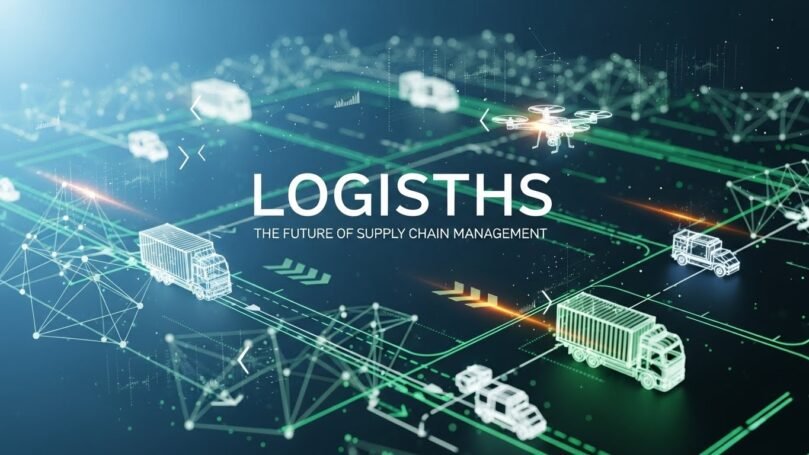
In a world where efficiency and speed are paramount, the landscape of supply chain management is evolving rapidly. Enter Logisths a revolutionary solution poised to reshape how businesses handle logistics. As companies face mounting pressures to optimize their operations and adapt to changing consumer demands, innovative tools like Logisths emerge as key players in this transformation. Imagine harnessing cutting-edge technology that streamlines processes, enhances visibility, and drives cost savings across your entire supply chain. Whether you’re a small startup or an established enterprise, understanding Logisths could be the game changer you need to stay ahead in today’s competitive market. Let’s dive into what makes Logisths so pivotal for the future of supply chain management.
What is Logisths?
Logisths is a groundbreaking platform designed to streamline supply chain management. It integrates technology with logistics, offering businesses powerful tools for optimizing their operations.
At its core, Logisths focuses on improving visibility and efficiency across the supply chain. Companies can monitor inventory levels in real-time and track shipments at every stage of the journey. This transparency helps in making informed decisions quickly.
The platform utilizes advanced analytics and machine learning algorithms to predict demand patterns. With this foresight, organizations can better manage resources and reduce costs.
Additionally, Logisths fosters collaboration among stakeholders by providing a centralized hub for communication. By bringing together suppliers, manufacturers, and distributors, it enhances coordination like never before.
Logisths represents a shift towards smarter supply chains where data drives strategy and innovation takes center stage.
The Benefits of Using Logisths
Logisths brings a multitude of advantages to supply chain management. First and foremost, it enhances visibility across the entire logistics process. Companies can track shipments in real-time, leading to better decision-making.
Cost efficiency is another significant benefit. By optimizing routes and automating processes, businesses can reduce operational expenses significantly. This not only improves profit margins but also enables companies to offer competitive pricing.
The platform’s user-friendly interface simplifies training for staff, allowing teams to adapt quickly without lengthy onboarding periods. Improved collaboration between departments becomes seamless as information flows freely within the system.
Moreover, Logisths supports data-driven insights that help organizations anticipate market demands. This predictive capability allows businesses to stay ahead of trends and adjust their strategies accordingly, fostering agility in an ever-changing landscape.
How Logisths is Changing the Supply Chain Industry
Logisths is redefining the landscape of supply chain management. By leveraging advanced technology, it enhances transparency and efficiency across various sectors.
Real-time data tracking has become a game-changer. Companies can monitor inventory levels and shipment statuses instantly. This visibility allows for informed decision-making that minimizes delays.
Collaboration among stakeholders is another significant shift brought by Logisths. Suppliers, manufacturers, and distributors can seamlessly communicate through integrated platforms. This connectivity fosters stronger partnerships and accelerates problem-solving.
Sustainability also takes center stage with Logisths solutions. Businesses are now better equipped to optimize routes and reduce carbon footprints, aligning profit goals with environmental responsibility.
Automation plays a crucial role as well, streamlining repetitive tasks within supply chains. As companies adopt these innovations, they find themselves adapting quickly to market changes while remaining competitive in an evolving industry landscape.
Key Features of Logisths
Logisths boasts an array of innovative features that streamline supply chain processes. At its core, the platform offers real-time tracking capabilities. This ensures businesses can monitor shipments from origin to destination without delays.
Inventory management is another standout feature. Logisths helps users maintain optimal stock levels, reducing excess inventory and minimizing shortages. It automates replenishment notifications, allowing for timely actions.
The user-friendly dashboard enhances decision-making with data visualization tools. Companies can easily analyze trends and performance metrics at a glance.
Collaboration tools foster seamless communication between suppliers and logistics teams, breaking down barriers often found in traditional systems.
Integration capabilities are crucial as well; Logisths connects effortlessly with existing ERP systems or other software solutions for a cohesive operational flow. With these features combined, Logisths is redefining how businesses approach supply chain management.
Implementing Logisths in Your Business
Implementing Logisths in your business is a strategic move that can streamline operations. Start by assessing your current supply chain processes. Identify areas where Logisths can bring efficiency and transparency.
Training your staff is crucial for success. Offer workshops or courses focusing on how to leverage the platform’s features effectively. This ensures everyone understands its capabilities.
Next, integrate Logisths with existing systems like inventory management and ERP software. Seamless integration helps maintain data flow across departments.
Monitor performance metrics post-implementation. Regularly evaluate how Logisths impacts delivery times, customer satisfaction, and cost reductions.
Encourage feedback from employees using the system daily. Their insights can lead to further optimization of workflows within the organization as you adapt to this innovative tool.
Case Studies of Companies Using Logisths
Several companies have successfully integrated Logisths into their operations, showcasing its transformative power.
A leading retail giant streamlined its inventory management using Logisths. By automating order tracking and optimizing delivery routes, the company reduced shipping delays significantly. This not only improved customer satisfaction but also cut costs.
In another instance, a manufacturing firm adopted Logisths to enhance warehouse efficiency. The system’s real-time data analytics helped minimize waste and optimize resource allocation. As a result, production times decreased dramatically.
Additionally, an e-commerce startup leveraged for better demand forecasting. With advanced algorithms analyzing market trends, it ensured that popular products were always in stock, boosting sales during peak seasons.
These case studies illustrate how diverse businesses can harness the capabilities of Logisths to drive innovation and improve operational efficiency across various sectors.
Challenges and Limitations of Logisths
While Logisths offers many advantages, it does face challenges that businesses must consider. One significant limitation is the initial cost of implementation. Transitioning to a new system can require substantial investment in time and resources.
Another challenge involves integration with existing systems. Companies may struggle to align legacy software with, leading to potential disruptions during the transition period. This can hinder productivity and cause delays in supply chain operations.
Data security also poses a risk. As relies heavily on cloud technology, sensitive information could be vulnerable to cyber threats if not adequately protected.
Moreover, training staff on how to use this new platform effectively takes time and dedication. Without proper training, teams might not fully leverage the capabilities of Logisths, missing out on its benefits entirely.
Businesses need regular updates and maintenance for optimal performance; neglecting these aspects can lead to inefficiencies over time.
Future Predictions for Logisths
As technology continues to evolve, the future of logisths looks bright. We can expect advancements in artificial intelligence and machine learning to further refine supply chain processes. This will enhance decision-making capabilities and optimize logistics operations.
Blockchain integration is likely to play a significant role as well. Greater transparency and traceability will build trust among stakeholders, reducing fraud and increasing efficiency across the board.
Sustainability initiatives are becoming non-negotiable for businesses today. may incorporate eco-friendly practices more extensively, helping companies reduce their carbon footprint while maintaining competitiveness.
The rise of smart warehouses equipped with IoT devices could revolutionize inventory management within logisths. Real-time data collection and analysis will enable quicker responses to market changes, ensuring agility in supply chains.
With these trends on the horizon, embracing innovations in might just be essential for staying ahead in an increasingly complex global marketplace.
Conclusion
As we look ahead, it’s clear that Logisths is poised to revolutionize supply chain management. Its innovative approach leverages advanced technology and data analytics, allowing businesses to navigate the complexities of logistics more efficiently than ever before.
The potential benefits are immense from improved visibility in operations to enhanced collaboration among partners. Companies that embrace can expect not just better efficiency but also a competitive edge in an increasingly crowded marketplace.
Challenges may arise as organizations adapt to this new system. However, the proactive nature of positions it well for future growth and adaptation within various industries. The ongoing advancements in technology suggest that will continue to evolve, offering even greater capabilities down the line.
As businesses consider adopting this transformative solution, they should stay informed about emerging trends and best practices associated with Logisths. By doing so, companies can harness its full potential and ensure their place at the forefront of supply chain innovation.