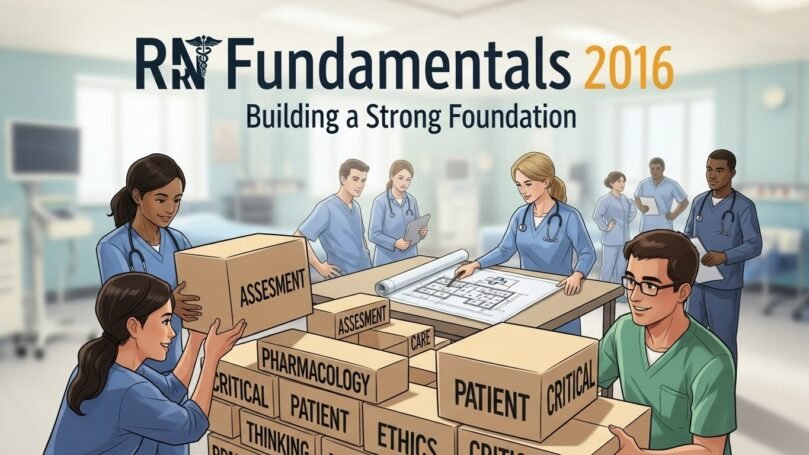
Nursing is a demanding profession that requires not only compassion and dedication but a solid foundation of knowledge and skills. The RN Fundamentals 2016 curriculum serves as the cornerstone for aspiring registered nurses, preparing them to face the challenges of healthcare head-on. As the landscape of nursing continues to evolve, understanding these fundamentals becomes even more critical in delivering high-quality patient care. Whether you’re just starting your journey or looking to refresh your expertise, grasping the essentials laid out in RN Fundamentals 2016 will set you up for success in this rewarding field. Let’s dive into what it means to build a strong foundation in nursing and how it can shape your career trajectory!
What is Rn fundamentals 2016?
Rn Fundamentals 2016 refers to the foundational concepts and principles that every aspiring Registered Nurse must grasp. This framework was designed to equip nursing students with essential knowledge and skills necessary for effective patient care.
The curriculum highlights critical thinking, communication, and clinical judgment. These components are vital as they help nurses navigate complex healthcare environments.
Additionally, Rn fundamentals emphasize ethics and professionalism in nursing practice. Understanding these aspects prepares future RNs to make informed decisions while maintaining high standards of care.
By focusing on this robust foundation, the program fosters a deep commitment to lifelong learning. It encourages nurses to adapt continuously in an ever-evolving field.
Understanding the role of a Registered Nurse (RN)
The role of a Registered Nurse (RN) is multifaceted and vital in the healthcare system. RNs are not just caregivers; they serve as patient advocates, educators, and critical thinkers.
Every day, they assess patients’ conditions, administer medications, and collaborate with other healthcare professionals to develop comprehensive care plans. Their clinical expertise helps ensure that patients receive appropriate treatments tailored to their unique needs.
Moreover, RNs educate patients about managing their health conditions post-discharge. They empower individuals through knowledge, fostering better choices for long-term wellness.
Emotional support is another crucial aspect of their work. RNs often stand by patients during challenging times, providing comfort when it’s most needed.
This profession demands resilience and strong communication skills to navigate complex situations while maintaining compassion at every step. The diversity of responsibilities makes nursing a dynamic field full of opportunities for growth and impact.
Importance of strong fundamentals in nursing
Strong fundamentals in nursing serve as the backbone of effective patient care. Nurses are often the first point of contact for patients, making their foundational knowledge vital.
A thorough understanding of basic principles allows RNs to assess situations accurately and respond appropriately. This ensures that patients receive timely interventions, which can significantly impact outcomes.
Moreover, solid fundamentals help build confidence among nurses. When they know the core concepts inside and out, they can communicate effectively with colleagues and patients alike.
Additionally, these skills foster critical thinking abilities. A nurse who grasps fundamental concepts is better equipped to analyze complex scenarios and make informed decisions under pressure.
Strong nursing fundamentals enhance teamwork within healthcare settings. They create a common language that promotes collaboration across different roles in patient care.
Key components of RN fundamentals
The key components of RN fundamentals encompass a blend of theoretical knowledge and practical skills. At the core, nursing theory provides a framework for understanding patient care.
Clinical skills are equally vital. RNs learn to perform assessments, administer medications, and manage patient records efficiently. Mastery of these techniques is crucial in real-world scenarios.
Communication plays a pivotal role too. Effective dialogue with patients and interdisciplinary teams fosters better outcomes and enhances trust.
Critical thinking is another essential component. RNs must analyze information swiftly to make informed decisions about treatment plans.
Ethical considerations underpin all aspects of nursing practice. Understanding legal implications and maintaining confidentiality ensures that patient rights are respected at every step. Each element works together to create a robust foundation for aspiring Registered Nurses navigating their careers in healthcare settings.
Essential skills and knowledge for RNs
Essential skills for Registered Nurses go beyond technical abilities. Critical thinking tops the list, allowing RNs to assess patient conditions effectively and make informed decisions swiftly.
Communication is another vital skill. RNs must articulate information clearly with patients, families, and other healthcare professionals. This fosters a collaborative environment that enhances patient care.
Technical proficiency is key as well. Nurses should be adept at using medical equipment and understanding procedures specific to their practice area.
Moreover, empathy cannot be overlooked. Connecting emotionally with patients builds trust and improves outcomes.
Knowledge of pharmacology plays an important role too. Understanding medications ensures safe administration while minimizing risks associated with drug interactions.
Time management allows RNs to juggle multiple tasks efficiently without compromising the quality of care provided to each patient.
Challenges faced by RNs in building a strong foundation
Building a strong foundation in nursing is not without its hurdles. One major challenge RNs face is the overwhelming volume of information they must learn and retain. From medical terminology to complex procedures, it can feel daunting.
Time management also plays a critical role. Balancing clinical practice with academic responsibilities often leads to stress and burnout. It’s tough to juggle shifts while keeping up with studies and maintaining personal life.
Additionally, emotional resilience is key for RNs. They encounter difficult situations daily that test their mental fortitude. Coping with grief or trauma from patients can take an emotional toll.
Navigating workplace dynamics adds another layer of complexity. New nurses may struggle with team integration or mentorship relationships that are essential for growth in their careers. These challenges require perseverance and adaptability as they strive to build a solid nursing foundation.
Strategies for developing and maintaining strong fundamentals
Developing and maintaining strong fundamentals in nursing requires a proactive approach. Continuous self-assessment is key. Regularly evaluate your skills and knowledge to identify areas for improvement.
Participating in simulation labs can enhance practical experience. These settings allow RNs to practice real-world scenarios without the pressure of actual patient care.
Networking with experienced colleagues offers valuable insights. Engaging in discussions about best practices or challenging cases can broaden your understanding.
Additionally, setting specific learning goals keeps you focused. Whether it’s mastering new technology or updating clinical guidelines, clear objectives drive progress.
Regular reflection on daily experiences enhances critical thinking skills. Consider what went well and where there’s room for growth after each shift.
Seeking mentorship creates opportunities for guidance and support throughout your career journey. Strong relationships within the profession foster a culture of continuous learning.
Continuing education opportunities for RNs
Continuing education is vital for Registered Nurses (RNs) aiming to stay current in their field. With healthcare constantly evolving, ongoing learning helps RNs enhance their skills and knowledge.
Various options are available for further education. Online courses offer flexibility, allowing nurses to learn at their own pace while balancing work and personal commitments. Many institutions provide specialized programs that focus on areas like pediatrics or gerontology.
Conferences also serve as valuable resources. They often feature workshops led by experts who share the latest research and best practices. Networking opportunities at these events can lead to collaborations or job offers.
Certification programs present another avenue for career advancement. Earning additional credentials can help RNs stand out in a competitive job market while demonstrating commitment to professional growth.
Exploring mentorship opportunities is equally beneficial. Connecting with seasoned professionals provides insights into the industry and guidance throughout one’s nursing journey.
Conclusion
Building a strong foundation in nursing is critical for success. The Rn fundamentals 2016 serve as a guiding framework that equips aspiring nurses with the essential skills and knowledge required in their careers. Understanding the role of an RN goes beyond technical expertise; it encompasses compassion, communication, and critical thinking.
By mastering key components like patient care, ethics, and pharmacology, nurses can provide high-quality healthcare. However, challenges such as emotional strain and workload management can hinder their progress. Implementing effective strategies for skill development and seeking continuing education opportunities are vital steps to overcome these hurdles.
As the healthcare landscape evolves, staying current with new practices will empower RNs to excel in their roles. Building on the principles established by Rn fundamentals 2016 ensures that registered nurses not only meet but exceed patient expectations while advancing their professional journeys. Embracing this commitment lays down a path of growth and excellence in nursing practice.